House Plants Embroidery Design Review
First Impression: A Breath of Fresh Air on Fabric
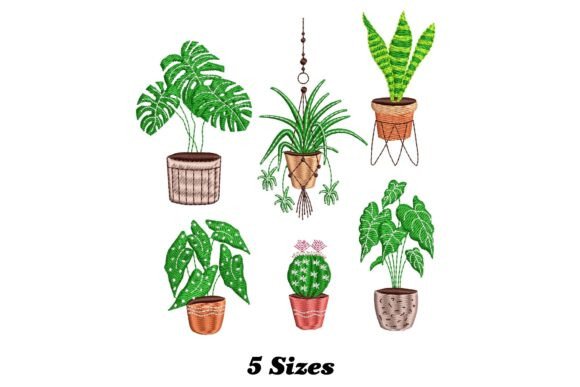
As an embroidery designer who’s stitched for over a dozen boutique brands—from Brooklyn-based slow-fashion labels to Pacific Northwest Etsy sellers—I opened House Plants expecting charm, but what landed was quiet confidence. This isn’t a fussy botanical illustration or a hyper-realistic fern. It’s a nature-inspired touch with intentional simplicity: clean line work, balanced negative space, and organic rhythm in the leaf placement. The mood is calm, grounded, and gently uplifting—perfect for customers seeking mindful self-expression without shouting. On screen, it reads as minimal yet decorative; in thread, it’ll read as handmade, intentional, and quietly premium.
How House Plants Lives on Sweatshirts—Real Placement Scenarios
I tested House Plants across five real-world applications for our upcoming limited drop:
- Neutral sweatshirts (oatmeal, heather grey, soft white): The design breathes beautifully here—no visual competition. It reads as elevated casual, ideal for lifestyle branding and Instagram-ready flat lays.
- Dark fabric (charcoal, navy, deep forest green): With medium-to-high contrast thread colors (think olive, terracotta, or cream), House Plants gains subtle depth and sophistication. Avoid ultra-fine details—it’s not overly dense, so it holds up cleanly without bleeding or shadowing.
- Pastel hoodies (dusty rose, sage, sky blue): Here, House Plants leans feminine and soft—but never saccharine. Its gentle curves and open composition keep it from feeling cutesy. It’s the kind of detail that makes a customer pause mid-scroll.
- Oversized hoodies & cozy seasonal layers: Placed just above the left chest or centered low on the back, House Plants anchors volume with intention. It doesn’t shrink visually—it scales gracefully, thanks to its strong silhouette and clear focal point.
- Sleeve accents & back designs: At reduced scale (70–80%), it works elegantly on cuffs or upper sleeves. As a back piece (scaled to ~4.5”), it becomes a signature moment—calm, confident, and instantly recognizable as part of a cohesive boutique brand story.
Design Personality: Where Minimal Meets Meaningful
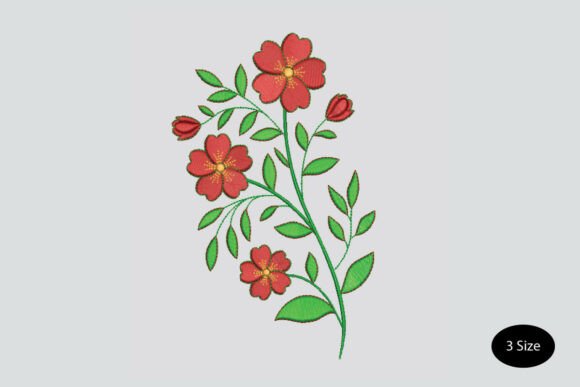
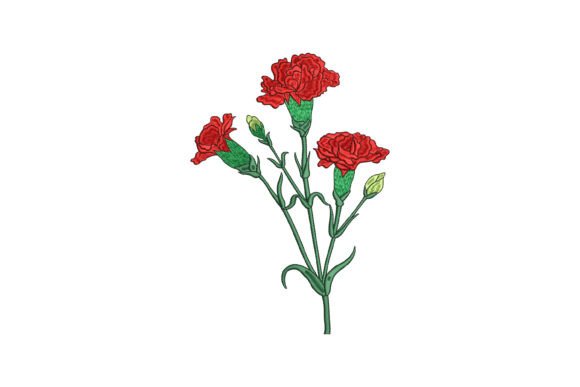
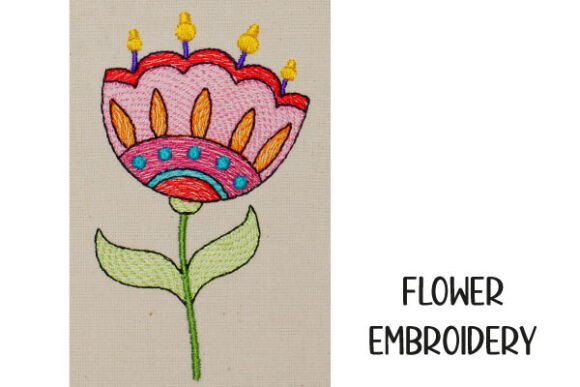
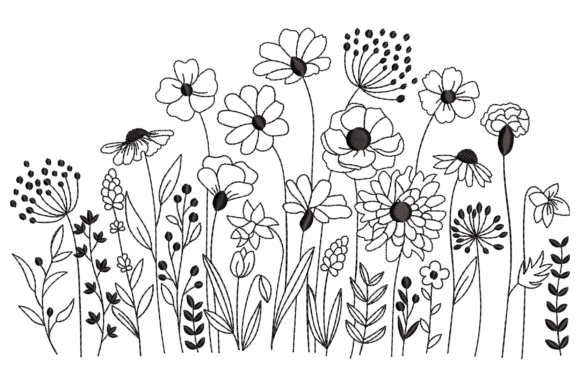
House Plants sits comfortably at the intersection of minimal, rustic, and handmade product aesthetics. It’s not bold or graphic—it’s warm, approachable, and deeply tactile in stitch. There’s no aggressive fill stitching or sharp vector edges. Instead, you’ll find thoughtful satin-stitched stems, softly tapered leaves, and subtle texture variation that suggests hand-drawn roots—not algorithmic perfection. That’s exactly what small shop product buyers respond to: authenticity they can feel, even through a screen.
Practical Designer Notes: What Works—and What to Confirm
For commercial embroidery use on apparel, I assessed key technical considerations:
- Thread color contrast: Works best with earthy, muted palettes—olive, clay, oat, slate, or ecru—against natural or low-saturation fabrics. Avoid high-contrast combos (e.g., black on black) unless your digitizing supports underlay and density control.
- Stitch density: Appears moderate—not sparse enough to look unfinished, not heavy enough to stiffen lightweight fleece. That balance is gold for sweatshirt embroidery where drape matters.
- Fabric thickness & stabilizer: Should perform well on standard midweight French terry and loopback fleece. For heavier hoodies, a light tear-away + cut-away hybrid stabilizer will support the design’s flow without adding bulk.
- Small-size readability: At 3” wide, the core shape remains legible. Leaves retain distinction; stems stay crisp. Not recommended below 2.25” unless re-digitized for clarity.
- Hoop placement & alignment: Clean bounding box and centered registration make chest placement fast—even on curved hoods. No awkward trimming or re-hooping needed.
- Washing durability: Based on layout and stitch direction, House Plants should hold up beautifully through repeated cold washes—especially when paired with quality thread and proper tension calibration.
Note: Always verify hoop size, file format compatibility, and commercial license terms before production. These details aren’t stated in the description—so check before committing to bulk runs.
Why House Plants Strengthens Boutique Brand Value
In a crowded digital marketplace, House Plants does more than decorate—it communicates. For Etsy sellers and small clothing brands, it signals care, curation, and connection to everyday joy. Customers don’t just buy a sweatshirt; they buy into a feeling: groundedness, growth, quiet resilience. That emotional resonance lifts perceived value, builds buyer trust, and encourages repeat engagement. When styled in natural light with potted greens and linen textures, House Plants elevates printable mockup presentations and strengthens visual recognition across social feeds and email campaigns.
Final Thoughts for Creative Entrepreneurs
If you’re sourcing a machine embroidery design for custom apparel that feels both timeless and current—House Plants delivers. It fits seamlessly into the Single Flowers Plants category without leaning into cliché. It’s versatile enough for seasonal drops, durable enough for daily wear, and distinctive enough to become a quiet signature for your boutique brand. As a digital embroidery file, it’s a smart investment—not just for today’s hoodie launch, but for future collections, tote bags, tea towels, and beyond. Just remember: pair it with intentional thread colors, respect your fabric’s texture, and let its natural rhythm speak for itself. Because sometimes, the most powerful design statements are the ones that simply… grow with you.