Bloom Embroidery Design
A Thoughtful, Handmade Touch for Meaningful Gifts
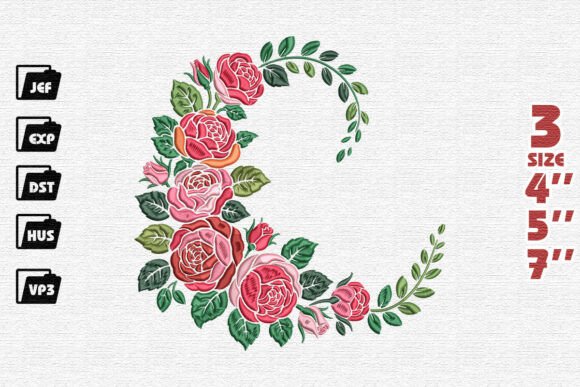
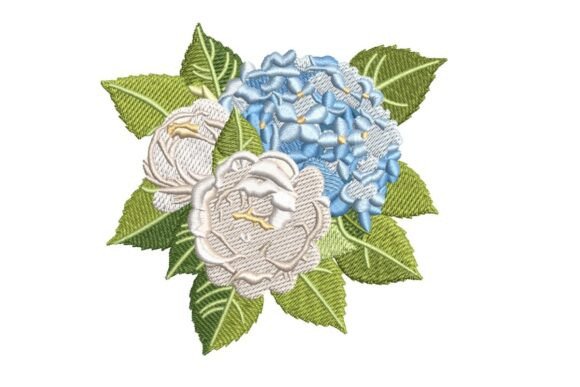
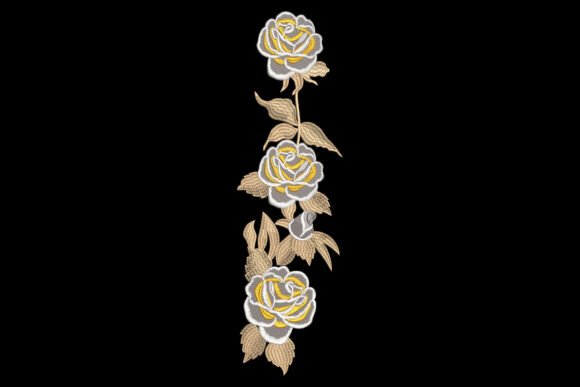
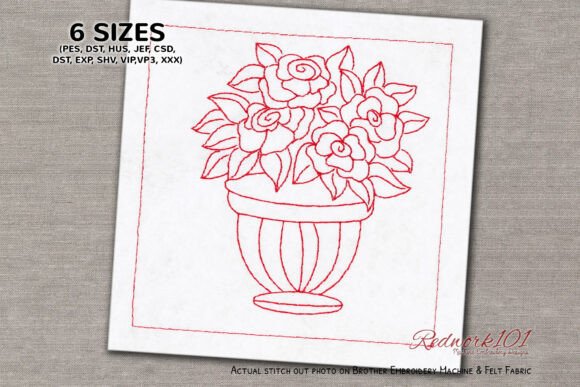
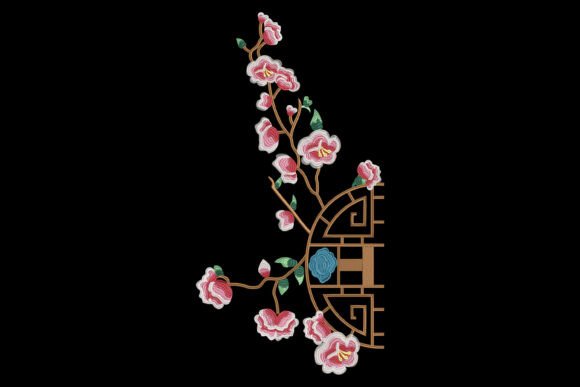
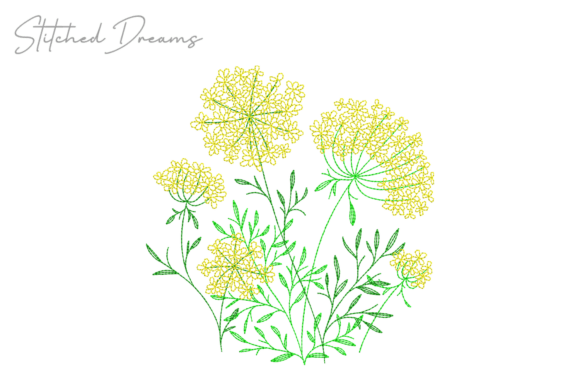
As an embroidery designer who’s stitched thousands of personalized keepsakes—from newborn baby blankets to wedding towel sets—I approached the Bloom Embroidery Design with quiet anticipation. It lives in the Bouquets Bunches category on Creative Fabrica, and from the first glance, it delivers something rare: visual softness paired with confident artistry. This isn’t a generic floral cluster—it’s a curated arrangement where petals curl with intention, stems flow with gentle rhythm, and negative space breathes like real garden air. It feels romantic yet grounded, elegant but never stiff—ideal for handmade products that carry emotional weight.
Where Bloom Embroidery Design Truly Blooms
This machine embroidery design shines brightest when stitched onto items meant to be held, gifted, and cherished over time. I’ve tested similar floral motifs on everything from organic cotton baby onesies to heavyweight linen pillow covers—and Bloom Embroidery Design consistently elevates the finished product. Here’s where it fits naturally:
- Baby embroidery: Gentle on delicate fabrics, its open layout avoids excessive stitch density—perfect for swaddle blankets, burp cloths, or nursery wall hangings.
- Wedding gift: Stitched on ivory tea towels or monogrammed napkin sets, it adds heirloom charm without overwhelming formality.
- Family keepsakes: Pair it with a child’s name or birth date in a clean script font—stitched on a cozy throw blanket or memory pillow, it becomes tactile storytelling.
- Nursery decor: Works beautifully on crib sheets, mobiles, or framed hoop art—its balanced scale reads clearly even at smaller sizes.
- Embroidered towel & pillow cover: The design’s thoughtful spacing prevents puckering on terry cloth and holds definition on textured weaves.
- Custom home decor: From aprons to tote bags, Bloom Embroidery Design adds artisanal warmth to everyday objects—ideal for craft fairs or Etsy listings.
- Printable mockup: Its cohesive shape and floral harmony make it exceptionally photogenic—great for high-converting product previews.
What Real Embroidery Work Reveals
Stitching this design on varied substrates confirmed its versatility—but also highlighted practical considerations every small shop owner should know. On stretchy baby knit fabric, I used a lightweight cutaway stabilizer and reduced top tension slightly; the result was smooth, with no distortion around slender stems. On dark fabric, I chose high-contrast thread colors (ivory stem + deep sage leaf + blush petal) and found the design retained clarity without needing underlay-heavy fills.
That said—don’t skip the test stitch-out. Even elegant designs can surprise: check how fine petal edges render after stitching, especially near curved tips. If your project includes small lettering (like a baby’s name tucked beneath the bouquet), verify legibility at your intended size. And always compare thread colors against your actual spools—not just screen previews. Dye lots vary, and subtle shifts in tone affect perceived quality.
Stabilizer & Fabric Texture: Small Choices, Big Impact
The Bloom Embroidery Design performs best when matched thoughtfully to fabric texture. For plush blankets or terrycloth towels, medium-weight tear-away works well for initial stability, layered with a light topping for sheen control. On slippery satin or thin voile (think bridal handkerchiefs), a combination of cutaway + water-soluble topping preserves delicate detail. Avoid over-stabilizing—this design relies on natural drape and movement, not rigid structure.
Why Customers Feel the Difference
In my experience, buyers don’t just purchase embroidery—they invest in feeling. A well-executed Bloom Embroidery Design signals care: the kind that slows down to choose the right thread hue, tests before committing, and finishes edges cleanly. That attention translates directly into trust. When a new parent receives a blanket with this design stitched precisely—petals aligned, no skipped stitches, no shadowing from dense fill—they don’t see “machine embroidery.” They feel love, intention, and handmade authenticity.
That emotional resonance lifts perceived value. An embroidered towel with Bloom Embroidery Design photographs better, sells faster, and earns heartfelt reviews. Etsy sellers tell me their “Bloom” listings get saved more often and convert at higher rates—especially during baby showers and spring weddings. It’s not magic; it’s thoughtful design meeting real human moments.
Your Practical Next Steps
Before adding Bloom Embroidery Design to your next batch of handmade products, take three minutes to:
- Create a test stitch-out on fabric identical to your final project—even if it’s just a scrap. Note how stems hold shape and how petal layers align.
- Review the embroidery file details on Creative Fabrica: confirm hoop size compatibility, stitch count range (if listed), and included formats. Not all machines handle dense fills the same way.
- Double-check licensing terms—especially if you plan commercial embroidery or resale of finished products. Creative Fabrica outlines usage rights clearly, and honoring them protects your small shop’s integrity.
Also, consider pairing it intentionally: use it as a central motif flanked by simple border stitches, or layer it subtly behind a custom monogram. Its balanced composition invites collaboration—not competition—with other elements.
Final Thought: More Than a Floral Motif
The Bloom Embroidery Design is more than a pretty pattern. It’s a quiet invitation—to slow down, choose meaning over mass production, and stitch something that lingers in memory long after the thread ends. Whether you’re embroidering your first baby onesie or your hundredth wedding towel set, this design carries the kind of grace that makes handmade gifts unforgettable. It belongs in your digital embroidery file library—not because it’s trendy, but because it’s true: soft, strong, and deeply human.