Cute Bunny: A Designer’s Real-World Embroidery Review
First Impressions: Sweet, Simple, and Surprisingly Versatile
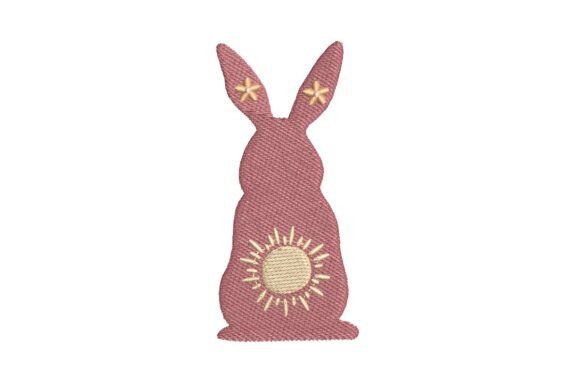
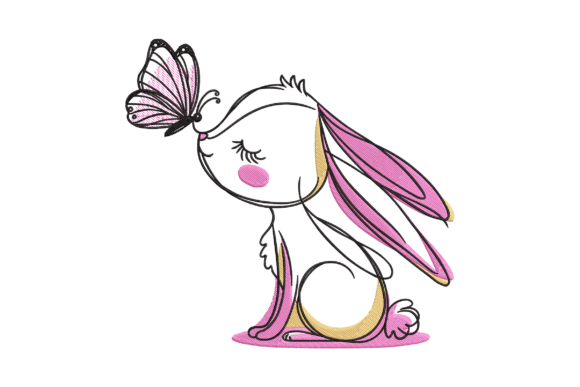
When I opened Cute Bunny for the first time, I wasn’t expecting much beyond a seasonal Easter motif — but it surprised me. The shape is compact and balanced, with soft curves in the ears and a gentle roundness to the face that reads as friendly, not cutesy-overload. It doesn’t rely on excessive detail to convey charm: the eyes are expressive but stitch-efficient, the fluff is suggested through subtle satin-stitch direction changes, not dense fill. That matters — because it means Cute Bunny won’t bog down your machine or bleed on lightweight fabric.
A Real Project Test: Custom Baby Towels for a Local Boutique
Last month, I used Cute Bunny on a set of organic cotton baby towels for a boutique owner who wanted something gentle, gender-neutral, and gift-ready. We paired it with two tiny daisies (not included in the design — just added manually) and stitched it centered on the towel’s lower corner. The result? Warm, cohesive, and unmistakably handmade. Parents responded immediately — not just to the bunny itself, but to how clearly it stitched out. No skipped stitches, no thread nests, no distortion around the ears. That tells me the digitizing is clean and thoughtful, not rushed.
Where Cute Bunny Shines — and Where It Needs Thought
Cute Bunny excels in projects where warmth and approachability matter more than technical flash:
- Custom apparel: Works beautifully on crewneck sweatshirts (left chest), relaxed-fit tees (upper back), and even ribbed knit caps — if hooped carefully and stabilized with tear-away + light cutaway.
- Home & nursery items: Pillow covers, tea towels, and swaddle blankets benefit from its scale and soft silhouette. It reads well at 3–4 inches wide — large enough to land visually, small enough to avoid overwhelming delicate fabrics.
- Personalized gifts: Add a monogram below or beside it (e.g., “Lily’s Bunny”) and you’ve got a standout baby shower or Easter gift. Its simplicity makes lettering integration feel natural, not forced.
- Small shop products: As an embroidered patch or iron-on applique, Cute Bunny adds instant character to denim jackets, canvas totes, or linen aprons — especially when sold as part of a curated spring collection.
Use With Care: Fabric, Fit, and Function
This isn’t a one-size-fits-all embroidery file. Here’s where attention pays off:
- Textured or napped fabrics: On terry cloth or fleece, reduce top tension slightly and use a sharp needle. The ears’ edges can blur if the pile interferes with satin stitch laydown.
- Thin or stretchy fabric: Always pair with medium-weight cutaway stabilizer — especially for onesies or lightweight cotton poplin. Without it, the bunny’s rounded shape can pucker or distort.
- Dark backgrounds: Test thread colors thoroughly. Light pastel threads (mint, buttercream, blush) read sweetly on navy or charcoal, but avoid white-on-black unless your machine handles fine detail reliably.
- Curved surfaces: Caps and curved tote handles demand precise hooping. Cute Bunny’s symmetry helps, but avoid placing it too close to seams or brims where distortion creeps in.
- Frequent washing: For baby items or kitchen towels, lock in durability with a tight satin outline and avoid overly dense fill areas — which Cute Bunny wisely minimizes.
What It Does for Your Brand and Buyers
Cute Bunny isn’t flashy — and that’s its strength. In a market saturated with intricate, over-digitized motifs, its restraint builds trust. Customers see clarity, care, and intention — not just decoration. When stitched on a handmade apron or embroidered patch, it signals quality craftsmanship, not mass production. For Etsy sellers and small shop owners, that translates directly to perceived value and repeat interest.
It also plays well with branding. Whether your aesthetic leans minimalist, rustic, or modern cottagecore, Cute Bunny adapts without demanding visual overhaul. And because it avoids heavy embellishment (no beads, no metallics, no complex layering), it scales cleanly across digital mockups — whether you’re listing on Etsy, prepping for craft fairs, or building a wholesale line sheet.
Practical Designer Notes Before You Stitch
Before committing to Cute Bunny in a client project or product run, do these five things:
- Run a test on scrap fabric matching your final substrate — especially if using textured, dark, or stretchy material.
- Check stitch density in the ears and face. If it feels overly dense for your fabric type, consider simplifying with your embroidery software (if licensed for editing).
- Confirm hoop size compatibility. Most versions of Cute Bunny fit comfortably in a 4×4 hoop — but verify before loading into your machine.
- Inspect small details in black-and-white mockups. Does the expression hold up? Do the eyes stay legible at smaller sizes?
- Review licensing terms carefully. If you plan to sell finished embroidered products or resell the digital embroidery file, ensure commercial use is explicitly permitted.
Final Thought: Not Just for Easter
Yes, Cute Bunny fits naturally in Easter collections — but don’t box it in. Its quiet charm works year-round on baby gear, spring-themed kitchen linens, or even subtle branding for a children’s book illustrator’s merch line. As a machine embroidery design, it delivers what seasoned designers look for: reliable performance, clear visual intent, and room for your own voice. It’s not the flashiest embroidery file in your library — but it might be the one you reach for most when authenticity, wearability, and genuine appeal matter more than novelty.